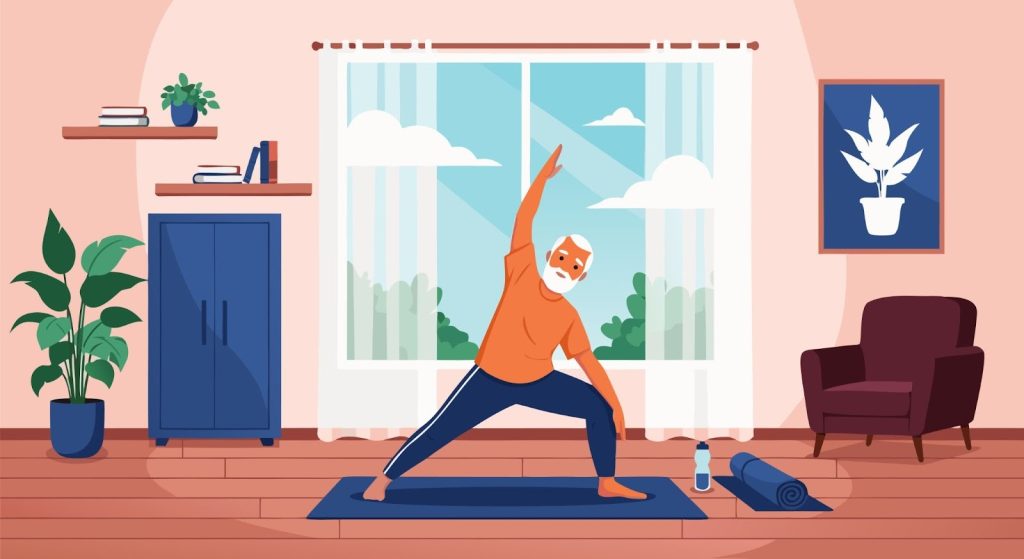
Let’s talk stretches; we hear about them all the time. If you’re anything like me, you probably have thought two things before. First: “stretching is over-rated”, and second – after learning that stretching is a good idea: “how do I get started?”
In fact, we’re going to address both themes today. To start off, let me prove that stretching is not over-rated in the slightest.
Why does stretching matter?
To understand this point, it’s important to know what stretching actually does for you, and what it is. Wikipedia defines it as “…a form of physical exercise in which a specific muscle or tendon (or muscle group) is deliberately expanded and flexed in order to improve the muscle’s felt elasticity and achieve comfortable muscle tone.”
In other words, stretching helps loosen your muscles before you need to use them more extensively. Some people look at stretching as a warm up, which works, though it’s a good idea to prepare yourself before stretching by doing some light cardio – jogging, doing jumping jacks, etc. – for a good 5 minutes to get your muscles in the mood beforehand.
It can sound like a bit of a chore, but the benefits are all there. An article from Cleveland Clinic lists some of them; they include increases to:
- Flexibility
- Balance
- Speed
- Jump height
- Strength
- Endurance
- Range of motion
That’s not to mention that stretches decrease the risk of injury when exercising, as it allows our muscles to both receive the water they need to function and get rid of the natural waste that accumulates in them as we exert ourselves.
It takes a bit more time, effort, and planning, but I promise it’s worth it. If you want to learn more about how to start your routine out right, check out this post:
10 Essential Beginner Stretches
Hopefully you’re convinced. Now we can get to the fun stuff. Here are ten simple stretches that target pretty much every major muscle group. Many of these have standing, seated, or kneeling options, so choose what works best for you and your space.
1. Neck Stretch
How to do it: Sit or stand up straight. Gently tilt your head to one side, bringing your ear toward your shoulder. You can use your hand to apply gentle pressure for a deeper stretch.
Hold for: 30 seconds each side
Real-world benefit: This one is great for anyone who spends hours looking at screens, as it helps relieve tension from your neck and upper shoulders. As an added benefit, you might also get less headaches at the end of the day.
2. Shoulder Rolls
How to do it: Stand with your feet shoulder-width apart and your arms loose. Slowly roll your shoulders backward in circular motions 5 times, then forward 5 times.
Real-world benefit: This opens up your chest and counteracts the hunched-over posture we tend to get from sitting for long periods of time. After a while, you may notice better sitting posture.
3. Doorway Chest Stretch
How to do it: Stand in a doorway with your hands on the frame at shoulder height, then step forward slightly to lean into the stretch until you feel a gentle pull across your chest.
Hold for: 30 seconds
Real-world benefit: This stretch helps with the rounded shoulders we get from sitting and using our phones. It also opens up your chest for better breathing and posture.
4. Standing Hamstring Stretch
How to do it: Stand with feet shoulder-width apart. Place one heel out in front with toes up, keeping that leg straight. Sit your hips back like you’re sitting in a chair until you feel a stretch in the back of your straight leg.
Hold for: 30 seconds each leg
Real-world benefit: Tight hamstrings contribute to lower back pain and can limit your movement in sports and daily activities; This one helps keep your legs limber and protects your back at the same time.
5. Quadriceps Stretch

How to do it: Stand near a wall for balance. Grasp your right ankle and gently pull your heel toward your glutes until you feel a stretch in the front of your thigh. Keep your knees close together and your core engaged.
Hold for: 30 seconds each leg
Real-world benefit: This one is essential for runners, cyclists, or anyone who does leg workouts, as it helps prevent knee pain and improves overall leg mobility.
6. Hip Flexor Stretch
How to do it: Kneel on your right knee (use a towel for cushioning). Place your left foot in front of you with your knee bent. Gently push your hips forward until you feel a stretch in the front of your right hip.
Hold for: 30 seconds each side
Real-world benefit: If you sit a lot, your hip flexors are probably tight. This stretch opens up your hips, improves your posture, and can reduce lower back pain, too.
7. Seated Inner Thigh Stretch
How to do it: Sit on the floor or in a chair. If standing, position your feet wider than hip-width apart with toes facing forward. Lunge to one side by bending that knee and sitting your hips back, keeping the other leg straight. You should feel a stretch in the inner thigh of the straight leg.
Hold for: 30 seconds each side
Real-world benefit: Opens up tight inner thighs, which improves your ability to move laterally, which is especially important for sports and preventing groin pulls.
8. Calf Stretch
How to do it: Stand at arm’s length from a wall. Place your right foot behind your left foot. Slowly bend your left leg forward while keeping your right knee straight and your right heel on the floor. Keep your back straight and hips forward.
Hold for: 30 seconds each leg
Real-world benefit: This prevents calf tightness that can lead to Achilles problems or foot pain. If you walk, run, or stand a lot, this one is great to try.
9. Lower Back Stretch (Knee-to-Chest)
How to do it: Lie on your back with knees bent and feet flat on the floor. Using both hands, pull one knee up and press it toward your chest. Keep your back flat against the floor.
Hold for: 30 seconds each leg, then try pulling both knees to your chest
Real-world benefit: This one relieves lower back tension and tightness, especially after long days of sitting or standing.
10. Spinal Twist
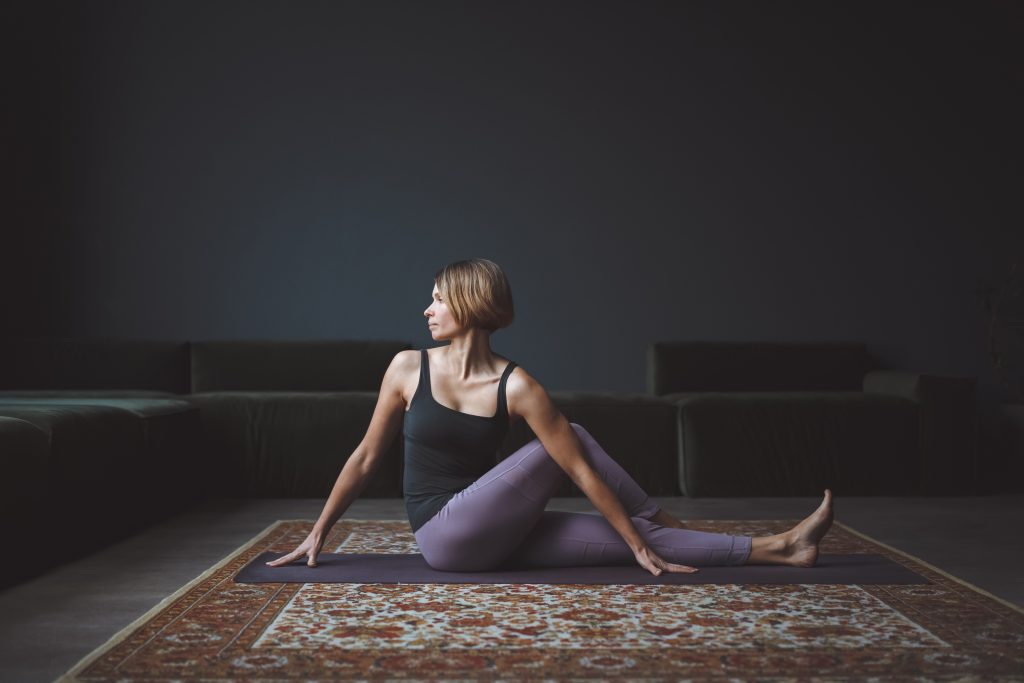
How to do it: Sit on the floor or in a chair. Cross your right leg over your left. Place your left elbow on the outside of your right knee and gently twist to the right, looking over your right shoulder.
Hold for: 30 seconds each side
Real-world benefit: This stretch improves spine mobility and can relieve back tension, which helps the overall health of your back.
Before You Start: Important Safety Tips
Now let’s get into some things to keep in mind before you stretch, so that you don’t get hurt. An article from Mayo Clinic recommends the following:
- Keep stretches gentle and slow
- Don’t bounce
- Breathe through your stretches
- Only stretch until you feel a slight pull
- Hold each stretch for about 30 seconds
If you feel any pain, don’t push yourself. An injury isn’t worth it. Take a second to wait, and then either try again or move on to something different. Slight discomfort is normal and to be expected, but pain isn’t.
The Bottom Line
How do you start stretching? Simple: pick a few basic ones and just start doing them. That’s it. The best part of any of this is that most stretches can be done anywhere, from home to a classroom to your workplace. Once you start though, just make sure you stick with it so that you can reap the long term benefits.
Happy stretching, and if you’d like to learn more? Check out some other articles we have here: