Have you ever been exercising and gotten really thirsty, only to realize that you’re out of water? Imagine that happening in a more extreme setting, such as a mountain trail or a ski slope. That’s never a good feeling.
Extreme conditions – whether they be scorching heat, freezing cold, or high altitude – can wreak havoc on your hydration levels without you even realizing it. Once dehydration sets in, your performance, energy, and overall health can take a huge hit.
That being said, let’s rise to the challenge and find out how to stay hydrated and at our very best in every condition and climate.
Staying hydrated close to home
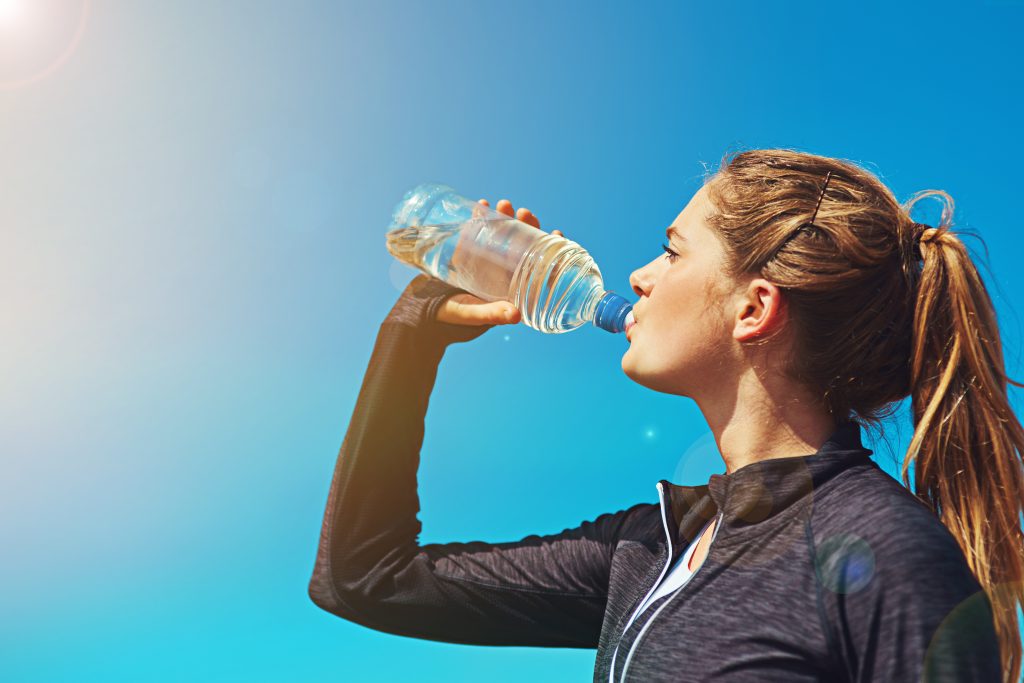
In an article on the subject, The American Heart Association stated: “Drinking enough water keeps the body hydrated, which helps the heart more easily pump blood through the body. It also helps muscles work efficiently. If you’re well hydrated, your heart doesn’t have to work as hard.”
Water makes up roughly 60-70% of your body and is essential for transporting the nutrients we need to function, removing waste, supporting the immune system, and maintaining proper body temperature.
In extreme conditions, these basic functions are even more important and become far more difficult to maintain; Your body has to work overtime just to keep everything running smoothly, which means you’ll lose fluids faster than you might think.
Hydration also plays an important role when it comes to stretching before we exercise; check out that article here:
Fighting the Heat
Doing any sort of exercise in the heat brings unique challenges. In fact, when trimming in high temperatures, roughly 75 percent of the energy required for muscle contraction is lost as heat, making it difficult for your body to regulate its overall temperature.
As your body creates sweat things get more humid and your plasma levels in your blood drop, which means your body has to try to find ways to get it back. It’s estimated that endurance athletes lose up to 2.5 liters per hour through sweat!
While that’s bad for them, it gets even worse the less fit you are. Then, the combination of heat and humidity prevents our sweat from evaporating, making it harder for your body to dissipate heat.
Heat Hydration Strategies
Here are some things you can do to keep yourself hydrated in the heat:
- Drink water before you exercise or go out into the sun, so that you start out prepared.
- Try to consume fluids at the same rate of fluid loss during workouts lasting 90 minutes or more; aim for 500-1000mg sodium per hour and drink about 500 mL every 30-45 minutes.
- Drink cold liquids – as they can help cool down your core as they hydrate your body and quench thirst – but don’t overdo it; You don’t want to accidentally give yourself hypothermia.
- Replace electrolytes so that you can absorb your water effectively (especially sodium, potassium, magnesium, chloride, and calcium).
- Keep track of your urine color – while gross, the color can help tell how hydrated you are. Pale yellow means you’re properly hydrated, while darker colors signal a need to drink more fluid.
Conquering the Cold
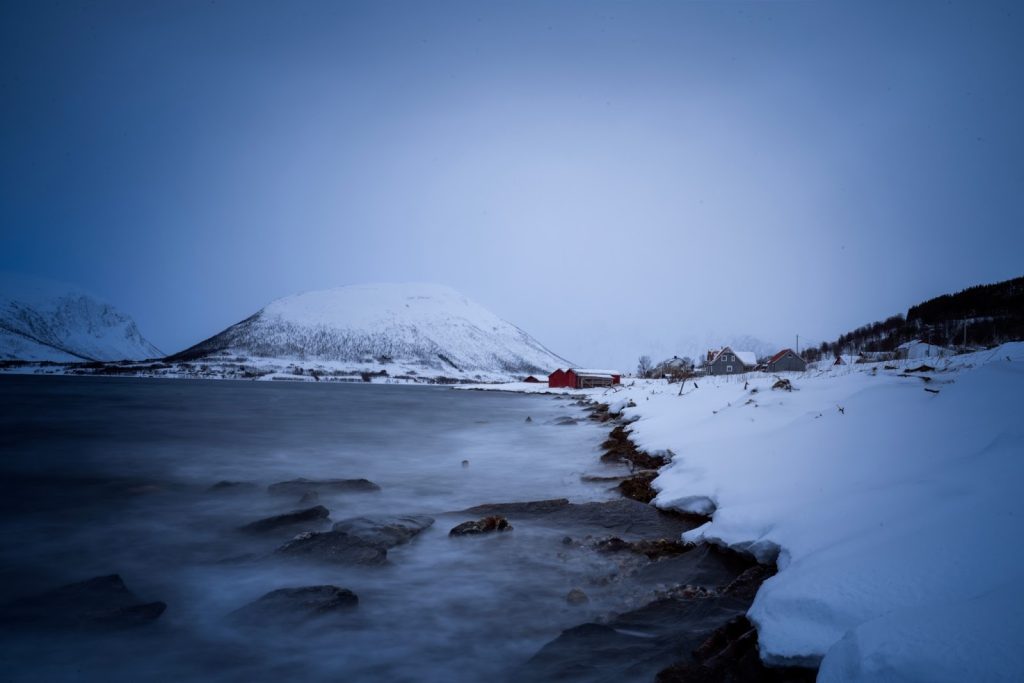
Believe it or not, it’s definitely possible to become dehydrated in the cold. A post from the Massachusetts General Hospital states that:
“It may be difficult to notice when you’re sweating in colder weather, so pay attention when you’re bundled up. Even when you’re not sweating, you lose water through the skin, and the drier air from indoor heating can cause you to become dehydrated without even noticing.”
It’s not uncommon for us to feel less thirsty in cold weather, and even us seeing our breath is an indicator that we’re losing fluid, so we have to be extra careful.
Cold Weather Hydration Strategies
Next time you’re in the cold, try these:
- Drink warm fluids; they’re a lot easier to drink when you’re feeling chilly, but still are helpful in keeping you hydrated. Try broths, warm water, or herbal teas, for example.
- Don’t wait to get thirsty; set reminders to drink water on the hour to keep the fluids flowing.
- Find out how much fluid you need; A simple method is to take your weight in pounds and divide it in half to get the minimum ounces of fluid you need each day.
- Eat foods that can help hydrate you. Think soups, melons, cucumbers, or any other fruit or vegetable with high water content.
- Steer clear of caffeine and alcohol, which flush water and electrolytes from your body and limit your cold perception, thus increasing your risk of hypothermia
Altitude: The Hidden Challenge
From skiing in Colorado to hiking in Utah or summiting any peak above 5,000 feet, high altitude dehydration is one of the most common challenges you may experience.
Almost like the cold, we tend to notice thirst less when we’re at high altitudes, and dry or thin air means that we breathe faster – which can cause us to lose twice as much water as we would at sea level – and moisture evaporates more quickly from our skin, which can make us think that we’re sweating less than we actually are.
Altitude Hydration Strategies
Camelbak has an article with some quick tips on how to stay hydrated at high altitude:
- Drink plenty of water in the days and hours before heading to a high altitude destination.
- Start slow and ease into your activity.
- Consume hydrating foods like apples, cucumbers, melons, strawberries, broccoli, celery, zucchini, and lettuce. These foods won’t replace your necessary water intake – rather they supplement it.
- Moderate caffeine and alcohol, which are both diuretics, which means they promote increased urine production.
- Drink consistently throughout the day; make drinking water at high altitude an ongoing thing.
- Balance with electrolytes; Electrolyte balance is critical for peak performance and avoiding dehydration.
Know the signs of dehydration
No matter where you are, recognizing symptoms of dehydration is critical. Initial physical symptoms include:
- Headache
- Dry mouth and lips
- Fatigue and weakness
- Dizziness or lightheadedness
- Decreased urine output or dark-colored urine
- Muscle cramps
Moderate to severe dehydration can lead to confusion, rapid heartbeat, rapid breathing, and vomiting; If you experience severe symptoms, seek medical attention immediately.
Up the trail
All of this comes down to simply being – and staying – aware. Make hydration a priority from the start, and carry water with you always. Set reminders on your phone, if that helps, and avoid substances that will leech away your water and electrolytes.
Regardless of where you are, hydration is key to your health and safety; keep that water bottle close!
If you’re curious about hydration, stretching, or anything else related to your health, take a look at some of the rest of our posts for more information: