
Not all that long ago, I was having one of the greatest naps of my life when I was abruptly awakened by a pain in my leg; my muscles had cramped and seized, making even the slightest move into a struggle. I massaged it as best I could, until the leg cramp finally began to subside.
That experience, and many ones like it, are all too common these days. In fact, News Medical states that “…around 39 percent of marathon runners, 52 percent of rugby players and 60 percent of cyclists” suffer from them. If you’ve ever cramped up before – and I’m certain you have – then you’ve probably wondered why leg cramps and muscle cramps happen in the first place. Hopefully we can shed some light on the issue as part of this article, and give some tips and tricks for how to avoid cramping in the future.
Cramping from Overtraining Syndrome
According to research done by Samitive J Hospitals, one of the leading causes of leg cramps – also known as charley horses – during exercise is over-working your muscles without giving them enough time to rest between sessions.
When we exercise, the fibers of our muscles get ripped apart and then heal over time. During the healing process our bodies build the torn muscle again, but stronger than before, to respond to the stress that they were put through in the first place.
When we don’t have enough time in between workout sessions, we can’t fully rebuild that broken muscle, which means that our bodies won’t be able to withstand the strain of exercise as it comes. The official name for this is Overtraining Syndrome, or OTS for short. There’s a whole article on that subject right here:
While this is the most common reason behind leg cramps and charley horses while you exercise, it’s far from the only way that your muscles can cramp. Unfortunately.
Dehydration and Electrolyte Imbalance
Not all cramps are the same. Nor are drinking water and staying hydrated – though they are related to each other. In the previous section we briefly covered leg cramps from over-exertion, but what about other cramps? While overworking can contribute to getting more random muscle cramps, it’s also common for them to happen when you’re dehydrated.
The average human body is made up of over 60% water, and that water is found everywhere from blood to muscle. If there’s not enough water to go around, though, things start to seize up. If our bodies were cars, water would be the oil that helps our personal engines run smoothly.
That being said, though, not all water is created equal. Plain water, all by itself, can actually cause more problems than it solves when we drink too much of it. How does that make any sense? Let me explain.
To stay hydrated we need to consume electrolytes, which are key minerals – such as sodium, potassium, magnesium, calcium, phosphate, bicarbonate and chloride – that conduct electricity in our bodies, acting almost like a battery for us and our muscles. They’re responsible for:
- Cell movement
- Removing waste from cells
- Helping nerves function
- Muscle recovery
- Helping muscles contract
Just to name a few! In short, they do a ton of stuff for us. To keep up with a list like that, we need a constant supply of electrolytes. Once we start running low on them, our bodies start to prioritize certain tasks over others which can lead to a variety of symptoms such as:
- Headaches
- Nausea
- Fatigue
- Vomiting
- Weakness
- Numbness
- Diarrhea
- An irregular heartbeat
- Confusion
And last but not least, cramps. Here’s where consuming too much plain water comes in. If you drink too much water that’s poor in electrolytes, you can dilute the electrolyte levels in your body and cause an “electrolyte imbalance” which leads to the symptoms listed above. If you’re wondering about how to keep yourself hydrated anytime, anywhere, check out this article on the subject:
Now that that’s out of the way, let’s dive into the details behind cramps related to dehydration.
Exertional Heat Cramps
Exertional heat cramps get their name from the fact that people tend to get them after sweating a lot, which consumes valuable electrolytes and water pretty fast. Since electrolytes are needed everywhere, these types of cramps can easily spread to other parts of the body.
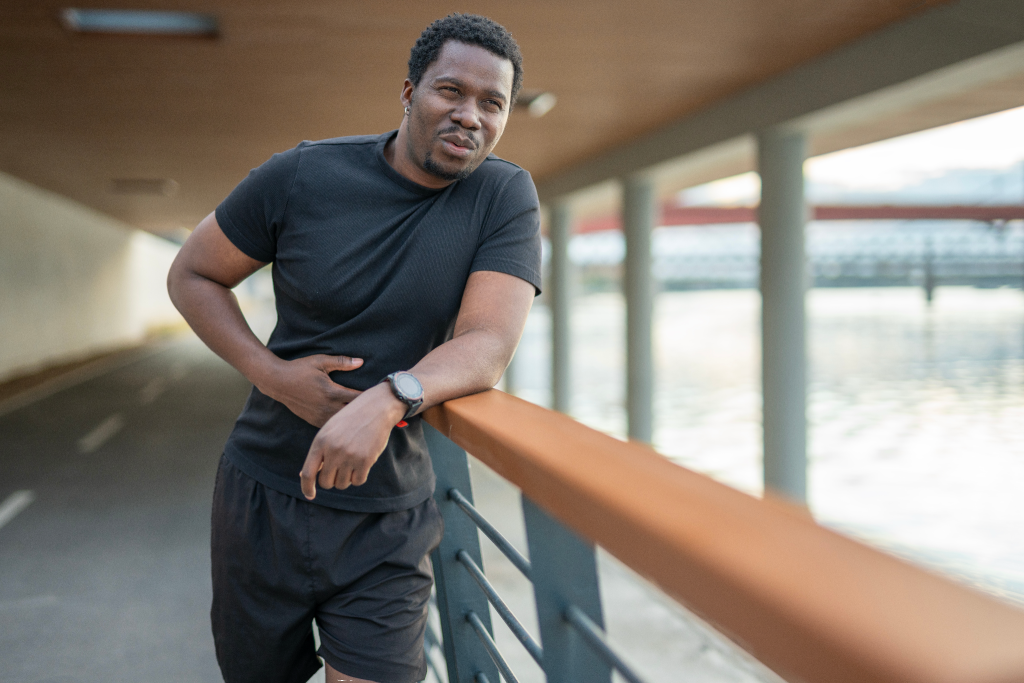
They start out as subtle contractions – also known as fasciculations – on a person’s skin. Since they’re so small, most people tend to miss them, especially if they’re focused intently on something specific. Within half an hour of these contractions, the cramps tend to start happening. These are some of the most common areas that cramp:
- Abdomen (belly)
- Arms
- Feet
- Hamstrings – the back of your thighs
- Hands
- Quadriceps – the front of your thighs
- Calves – the back of your lower legs
Wherever they start – in the legs, for example, because of how often we use them – they often spread to other random areas of the body, which can lead to a full body cramp. Think of a really painful paralysis, since you can’t really move and everything is seized up.
Stopping a muscle cramp like this can only be done by rehydrating and rebalancing one’s electrolytes and, in severe cases, athletes may need to seek medical assistance to bring things back to normal. While all electrolytes are important, the main ones that you may need in a severe situation are sodium and chloride, which are the first we lose when we sweat.
Idiopathic Leg Cramps
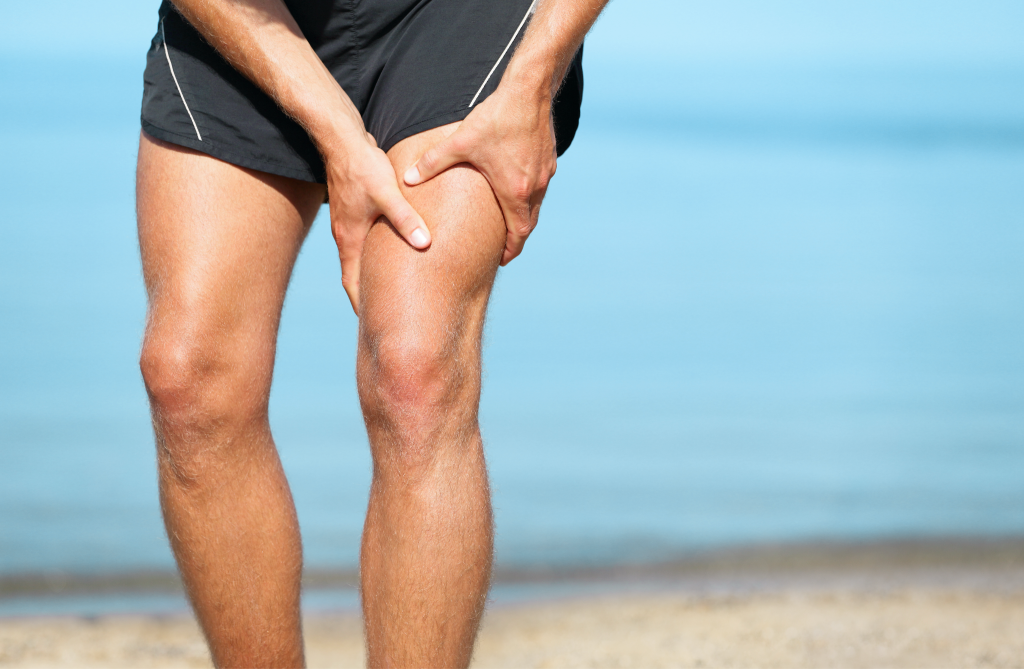
Idiopathic leg cramps are cramps that seem to happen randomly, without any specific reason or warning beforehand. A prime example of these would be nighttime leg cramps. While there’s no single symptom that triggers them, there are a bunch of factors that can come into play. Here are just a few:
- Stress
- Overworked muscles
- Lack of blood-flow to affected area
- Involuntary nerve discharges – random electrical impulses
According to Cleveland Clinic, you’re likely to get them more often as you get older. This is because your tendons – which connect your muscles to your bones – tend to shrink over time.
“Of people over age 60, 33% will have a leg cramp at night at least once every two months. Nearly every adult aged 50 and older will have them at least one time [per month]. Approximately 40% of people experience leg cramps during pregnancy” due to the extra weight and strain that comes with that.
The same article mentions some of the following factors that can contribute to having leg cramps at night:
- Sitting for long periods of time
- Standing or working on concrete floors
- Having poor posture during the day
- Kidney failure
- Diabetic nerve damage
- Mineral deficits
I think of other cramps as being the ones that happen as soon as your body passes its breaking point, while idiopathic cramps are the ones that come up when your body is stressed, but not strained to breaking yet.
Avoiding Muscle Cramps: Tips and Tricks

Growing up, I always heard this quote from Benjamin Franklin: “An ounce of prevention is better than a pound of cure.” That principle applies really well to this sort of topic, even if it isn’t the same context in which I used to hear that saying.
When it comes to muscle cramps, there are quite a few things we can do to both prevent and “cure” cramps when they come up. Here are some things you can do to before they become an issue:
- Stay hydrated
- Include a bunch of electrolytes in your diet
- Be aware of the conditions in which you exercise (cramps are more commonly occur in hot climates)
- Warm up properly before participating in intense exercise
- Take your time – if you’re starting a new routine or coming back after a break, make sure to ease into it and give yourself time to adapt
- Stretch daily
We actually have articles about how to start off any routine properly and set yourself up for a great workout. Check it out:
If prevention isn’t an option, you can go ahead and try some techniques to help alleviate the pain and bring things back to normal. Web M.D. suggests that you:
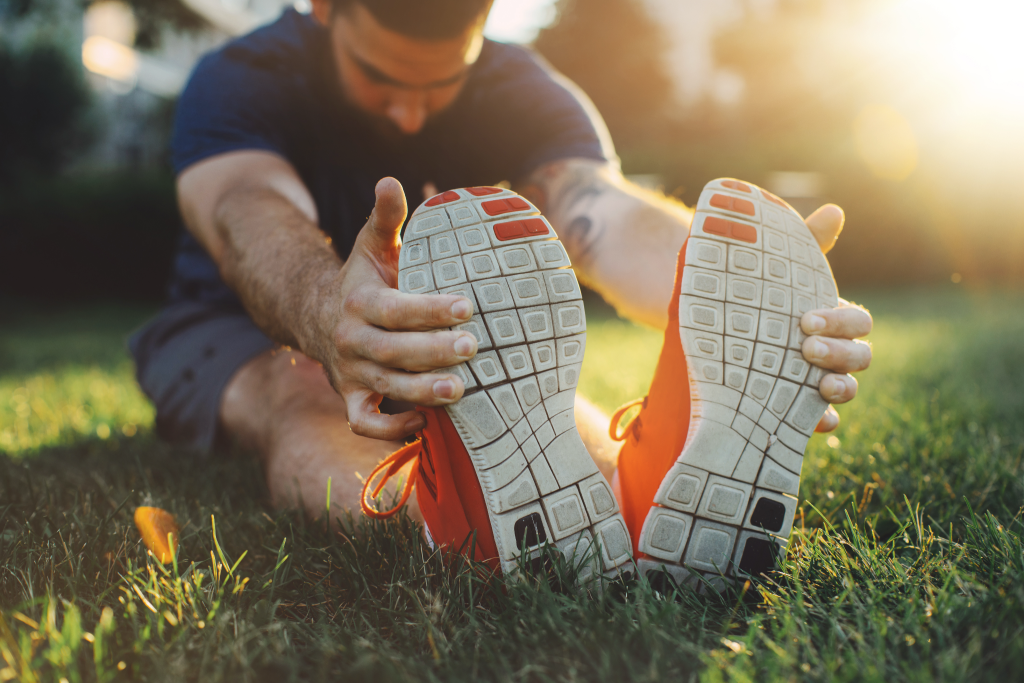
- Stretch it
- When a muscle cramp happens, stop the activity you’re doing and stretch it out by tightening the opposing muscle. For example, if the muscle on the back of your thigh cramps, squeeze the muscles on the front of your thigh and lift your leg toward your head.
- If you have a calf cramp, stand up and put your weight on the leg with the cramp, gently bend your knee, and actively lift your toes up toward your nose.
- For leg cramps, sit on the floor with your leg or foot stretched out in front of you. Keep your leg straight while you gently pull your foot back towards you.
- Massage the muscle
- After stretching, try massaging the muscle cramp for relief using a foam roller or your hands.
- Apply heat
- A warm bath or shower can help your cramped muscles loosen up. You could also put a heating pad or a warm towel on the area.
- Apply a cold pack
- Once the pain subsides a little, place an ice pack or a bag of ice on the cramping muscle. Remember to wrap it in a towel first so you don’t irritate your skin. You can also try massaging the cramp with the ice pack to help relax the muscle.
- Elevate the area (if possible)
- If you can, lift the part of your body that has the cramp. If your foot is cramping, prop it up until the cramp starts to go away.
If all else fails, you can also take things like ibuprofen to help release muscle tension or – in more extreme cases – you can go to your healthcare provider and try to get a prescription for some sort of muscle relaxer. Just remember that taking any sort of medication can come with possible downsides like dizziness or fatigue, so make sure to go over the pros and the cons with your doctor.
There are also some stretches that are simple to learn and remember, which means that you could make them into a habit pretty easily. You can read more about those in an article here:
While they might seem monotonous, doing things to prevent your cramps before they start is well worth it.
Electrolyte Sources
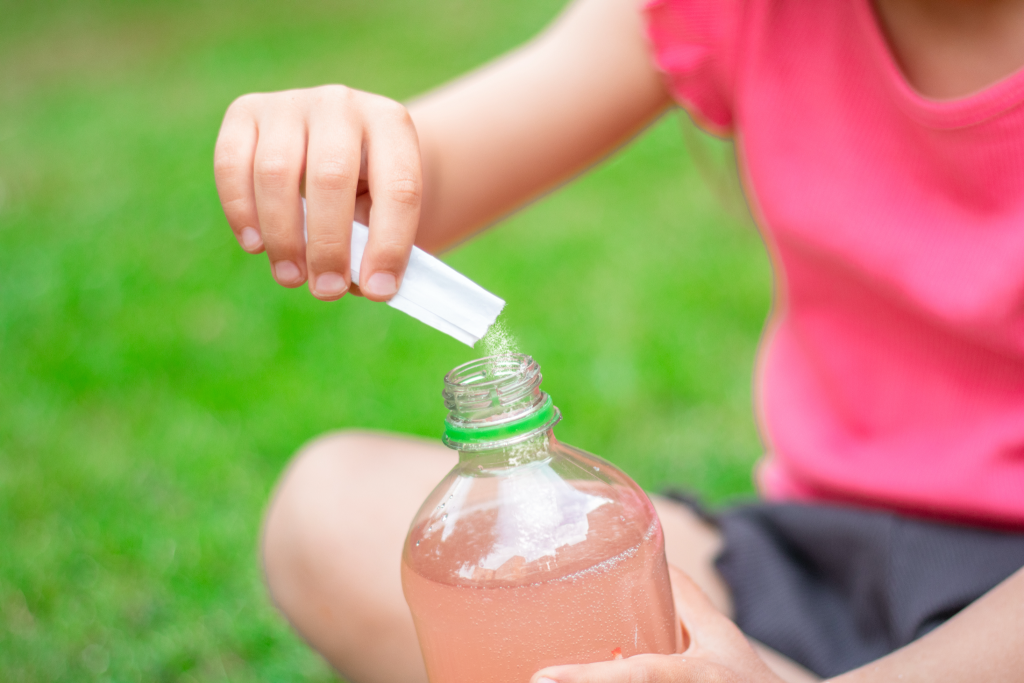
Now that we’ve gone over how important electrolytes are when it comes to avoiding muscle cramps, it’s pretty important to know where you can find them, right?
| Food Item | Key Electrolytes |
| Bananas | Potassium |
| Spinach | Magnesium, Calcium |
| Avocados | Potassium, Magnesium |
| Nuts (almonds, etc.) | Magnesium, Calcium |
| Dairy Products | Calcium, Potassium |
| Fish | Magnesium, Calcium |
| Sweet Potatoes | Potassium, Magnesium |
| Coconut Water | Potassium, Sodium |
| Watermelon | Potassium |
| Oranges | Potassium, Vitamin C |
That’s far from everything that has electrolytes, but it should be more than enough to get you started. Sports drinks like Powerade and Gatorade can also be effective supplements to your electrolyte levels in a pinch. Not every electrolyte you take is going to be the same, though:
- Potassium helps with muscle function and the regulate nerve signals
- Calcium is essential for muscle contractions and the health of your bones
- Magnesium helps regulate your blood pressure and offers general support for your muscle and nerve functions
Wrapping Up

Leg and muscle cramps of some kind have always been a part of life and they always will be, but that doesn’t mean we can’t get a handle on them early or get them taken care of. Muscle fatigue and electrolyte deficits can lead to some tough challenges, but you can always work with people around you for support when necessary.
If you found this helpful, there’s a whole lot more information where it came from! Read more articles and guides here:
At the end of the day, the more you know about different types of cramps and what can be done about them, the more prepared you’ll be to help both yourself and others. Between stretching, proper rest, water and electrolytes, you’ll always be at your best when prepared for the worst.