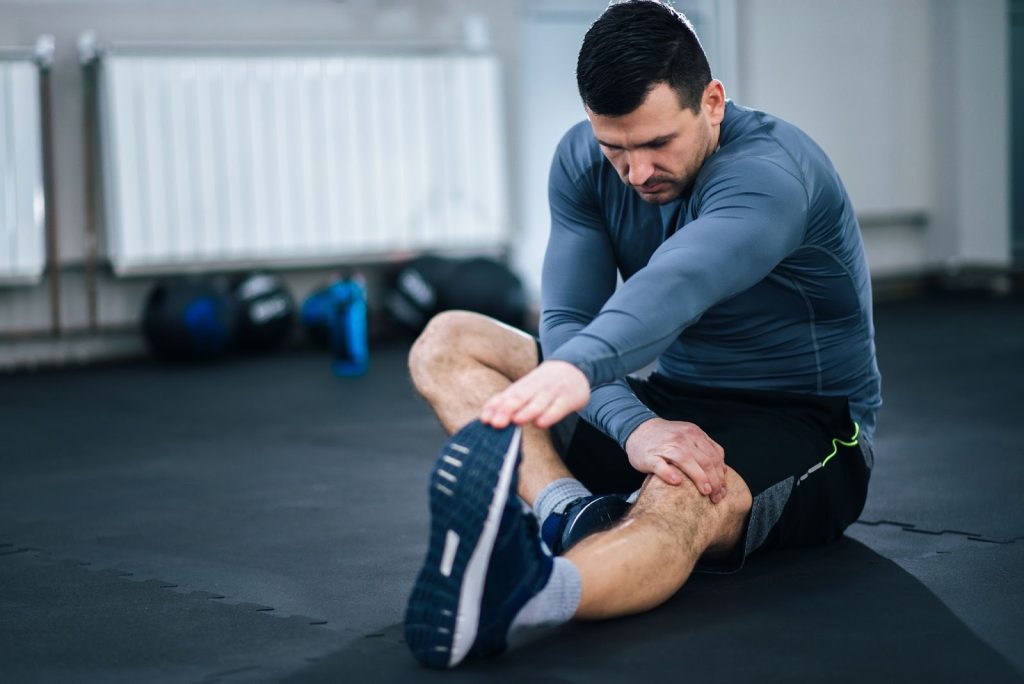
Have you ever wondered how to stretch? It seems like a really simple thing; after all, people have been reminding us to stretch before exercising for most of our lives.
I remember all the way back to when I first started taking PE as a kid, for example. My teacher would always remind me and the rest of my classmates to run through at least some simple techniques before diving into the fun stuff.
I also remember what happened shortly after I ignored said council, when I started to cramp after doing too much, too quickly. That wasn’t exactly fun, but I was a little lazy when it came to stretching.
Water and staying hydrated were things I was always warned about, but I “forgot” them too, and pretty often. Today, we’re going to cover 10 tips and tricks to start your routine out right, from proper hydration to some stretches so that you don’t make the same mistakes as my childhood self.
Really quick, let’s cover the basics before we dive into the stretching tips:
What is stretching, and why should you care?
In an article on their website, Physio-pedia defines stretching as follows:
“Stretching is a physical exercise that requires putting a body part in a certain position that’ll serve in the lengthening and elongation of the muscle or muscle group and thus enhance its flexibility and elasticity.”
In other words, stretching helps prepare our muscles to move more freely. Imagine a rubber band; a really cold one will be tighter and more likely to snap if you try to use it immediately. Once it gets warmer and more flexible it’ll work like a charm, but not before. Your muscles work on a similar principle; they need to warm up in order to work at their very best.
Sometimes, this comparison is more literal than it sounds. In fact we have a different article about how extreme conditions affect us and our performance, right here:
Our bodies are designed to move but in this day and age, we spend more time sitting or staying idle than ever – office jobs and long road trips are prime examples of this. That means we can get still and sore remarkably fast, but sometimes a quick stretch is all we need to feel better.
According to an article from Cleveland Clinic, here are a couple of things that stretching can do for us:
- Increase blood flow to our muscles
- Improve our posture
- Help prevent injuries
- Reduce stress and tension in the body
- Increase jump height, speed, and strength
- Improve flexibility and balance
Those benefits can save us a bunch of trouble in the long run, and stretching doesn’t even have to take long. No matter who you are, stretches can make a huge difference.
As good as stretching is, it can get even better when paired with water.
Why does staying hydrated matter?
Let me explain: your muscles are 70% water, so adding it’s crucial that they stay as hydrated as possible in order to perform at their very best. Water governs how well they can both expand and contract, so being dehydrated can be one of the most limiting problems that we can have.
On the flip side, here are some things that happen when our bodies get the water they need.
Our muscles:
- Receive nutrients
- Can get rid of waste products that build up during exercise
- Recover more quickly
Our joints:
- More fluidly
- Without pain
There’s more: the tissue that surrounds our muscles, joints and organs – also known as fascia – relies on water to stay smooth and healthy, which allows our muscles to have even greater flexibility and movement. Without enough water the fascia and muscle layers tend to stick to each other, which can really decrease our range of motion.
The last benefit is really simple, and probably one of the easiest ones to recognize. Our muscles love to cramp when they’re dehydrated, so keeping our fluids topped off will help prevent that by quite a bit.
Just remember that staying hydrated also means drinking water consistently, and not just downing a bottle of water before you start your routine. Also, staying hydrated can be easier or harder depending on your environment; check out this post to learn more:
Now that we have that out of the way, let’s get into the tips!
1. Always Warm Up Before You Stretch
Yes, it sounds crazy – generally we think of stretches as the warm-up – but you should never stretch cold muscles. You need to ease into it if you want the best results, and in some cases if you aren’t careful, you can even get hurt. Don’t go for too much, too fast.
Light cardio is a simple way to help get yourself ready for a full session of stretching; 5 to 10 minutes is more than enough. Try jumping jacks, jogging in place, or a brisk walk, for example.
Dynamic stretching is another effective warm-up method; Cleveland Clinic defines it as follows:
“[M]ov[ing] a body part in a slow, controlled way through its full range of motion, like with arm circles or high knees.”
In this case, you’re not trying to hold a pose or position at all. Just go through the natural way that your joints move, and you’ll be golden.
2. Hold Your Stretches for at Least 30 Seconds
Sometimes we may be tempted to do quick, bouncy stretches in order to save time. However, this method – also called ballistic stretching – can be harmful. Ideally, you should spend about 60 seconds in total on each stretching exercise. Doing it in segments of 15 seconds is an easy way to do it.
Static stretches – stretches that require you to hold a stationary pose, like touching your toes – are held for 10 to 30 seconds. You should feel mild tension as you do them, but never pain.
It’s generally considered a good idea for adults to stretch their neck, shoulders, chest, trunk, lower back, hips, legs, and ankles at least two to three times a week in order to stay healthy.
3. Don’t Forget to Breathe
It sounds obvious, but you’d be surprised how many people hold their breath while stretching. Breathe comfortably during stretches. Inhale through your nose, exhale through your mouth, and try to breathe into the stretch.
Believe it or not, this actually helps increase range of motion, since you’re giving yourself a signal to relax. Holding your breath can make you tense up, even if you’re not thinking about it.
4. Stay as Hydrated as You Can

Water is key, 24/7. A good rule of thumb is between a half-ounce to one ounce of it per pound of bodyweight. If you use that amount as your target, each and every day, you’ll be well on your way to staying well hydrated.
Take a drink about 30 minutes before you stretch, sip some during your routine if needed, and rehydrate afterward. Keeping liquids topped off before, during, and after a stretching routine will help you both perform and recover well.
5. Focus on Major Muscle Groups
You don’t need to worry about stretching every single muscle in your body; focusing on a few key muscle groups is more helpful anyway.
Here are some different areas to try:
- Calves
- Hamstrings
- Hip flexors
- Shoulders
- Chest
- Neck
- Lower back
Focusing on these consistently will help you feel a lot better on a day-to-day basis, improve overall mobility, relieve lower back pain, and help prevent injury.
If you’d like to learn some specific stretches for beginners, take a look at this article here:
6. Make Stretching a Daily Habit
Consistent stretching is key to making a difference in your overall well-being. We’re talking daily, if possible, if you want lasting benefits.
Find a way to make it a normal, natural part of your routine. Some people set aside time either right before bed or right after waking up in the morning, just to make it easier to remember.
It can take a few weeks to months of stretching before you really notice a big difference in your range of motion and flexibility, but stick with it and you’ll get there. Just like with anything your body will get used to what it does regularly, so all you need to do is keep stretching as much as you can.
7. Listen to Your Body
Your body will try to let you know when you’ve reached your limits; when that happens, if you start to feel pain – not just tension or discomfort – make sure to STOP. Stretching won’t do you any good if you overdo it. While some resistance is normal, back off for a bit if it starts to hurt.
Stretching should feel like a gentle pull, and nothing more. Your body knows best, so pay attention and respect its signals.
8. Try Both Static and Dynamic Stretching
Different activities call for different types of stretches, and so do different goals. We mentioned static and dynamic stretching a little bit earlier, and while both are helpful, they’re best used for different things.
Static stretching is especially good for cooling down after exercise and improving flexibility, while dynamic stretching can act as a sort of warm-up for a more active routine.
9. Stretch Both Sides Equally
It can be easy to favor one side of your body, especially if you’re right or left-handed. However, imbalances can lead to poor posture and injuries if you stretch unevenly for long enough. Make sure you give both sides the attention they need. Now, if your left hamstring is tighter than your right, you might need to spend a bit more time on it, but don’t neglect the other one.
In fact, being more flexible on one side over the other can make you more prone to getting injured or overextending yourself. That being said, do your best to keep things as equal as possible.
10. Be Patient
Flexibility doesn’t happen overnight. It can take a while to get as flexible as you’d like to be, and then you need to keep up with it. Don’t stress if you’re not progressing as fast as you think you should. Just stay consistent and celebrate your small wins as they come.
Rome wasn’t built in a day, after all, so why should meaningful changes?
Words of Caution
Now that we’ve gone over the tips, it makes sense to give a recap of things to keep in mind while stretching:
Overstretching is probably the most common issue you’ll run into. When you push too hard, too fast, you can strain or even tear your muscles. Remember to ease into stretches gradually and never force your body into positions that feel painful.
Bouncing during stretches – or ballistic stretching – can trigger a stretch reflex in your muscles, causing them to tense up instead of relax. This can lead to small tears in the muscle fibers and actually reduce your flexibility over time.
Stretching injured muscles is just a bad idea. If you’ve recently strained or pulled a muscle, stretching it can make the injury worse. Give it time to heal first, and consider seeing a physical therapist if you’re unsure when it’s safe to start stretching again.
Not warming up first puts you at higher risk for pulls and strains. Start with some light cardio as often as you can before you start your stretching routine.
Holding your breath during stretches makes your muscles tense and the stretch less effective. It can also cause your blood pressure to spike. Keep breathing steadily throughout each stretch.
Luckily stretching is a fairly light activity, so taking a little bit of extra care and using common sense should be all you need to stay healthy.

Wrapping up
Stretching is pretty simple at the end of the day, but their impact can be pretty profound in the long run. It doesn’t matter if you’re an accomplished athlete or not; everyone from your grandparents to children in first grade can and will benefit from stretching a little bit everyday.
Add some water into the mix to keep you hydrated and you’ll be ready to either build your routine or follow what you have. These are small things, but oh so important. Pay attention to what your body tells you, and don’t be afraid to commit to taking care of it.
What are you waiting for? Let’s get started!
If you still want to learn more, go ahead and check out the rest of what we have to offer about how you can become your best self: